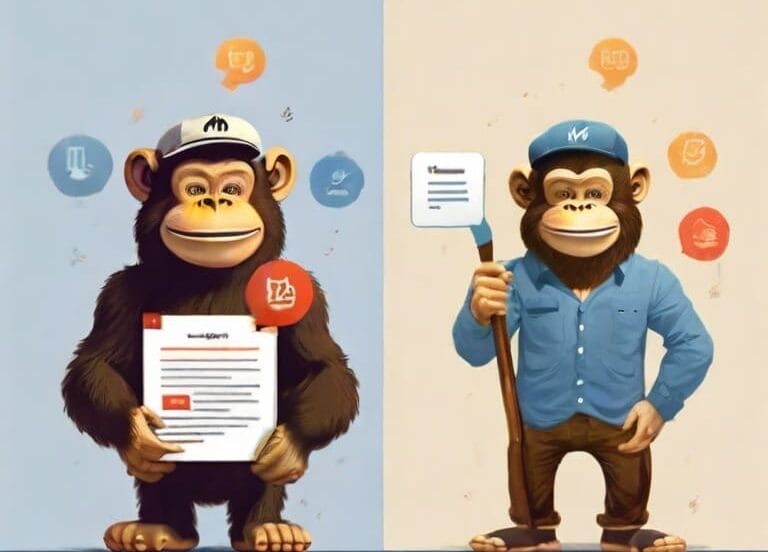
In today’s digital age, there’s a sea of marketing strategies vying for our attention. Two strategies, in particular, have risen to prominence: The Differences Between Affiliate Marketing and Digital Marketing. While they often intersect, they’re distinct in their nature, purpose, and execution.
Whether you’re an entrepreneur, a seasoned marketer, or a newbie trying to find your footing, understanding these marketing avenues is crucial. In this detailed guide, we’ll break down the nuts and bolts, equipping you with the knowledge to determine which aligns best with your goals.

Key Takeaways:
- The foundational definitions of Affiliate and Digital Marketing.
- Unique advantages each strategy offers.
- Core differences that set them apart.
- Steps to kick-start your journey in both realms.
- Insights into combining the strengths of both for maximized results.
What is Affiliate Marketing?
Affiliate marketing is a performance-based marketing strategy where businesses reward affiliates (often bloggers, influencers, or marketers) for driving traffic or sales through the affiliate’s marketing efforts, typically using affiliate links. It’s a symbiotic relationship where the business and affiliate benefit from mutual success.
How affiliate marketing works
Imagine a blogger promoting a product. They’d use a specific link given to them by the company selling the product. The blogger gets a commission whenever a sale is made through that link. This commission varies across affiliate programs and can be a fixed amount or a percentage of the sale. There’s a significant emphasis on affiliate marketing lead generation and conversions, as earnings are performance-driven.
Advantages of affiliate marketing
Affiliate marketing offers a cost-effective way for businesses to increase sales without upfront advertising costs. It provides affiliates a means to monetize their platform, whether a blog, social media channel, or email list. The affiliate marketing business model is particularly appealing because it’s low risk; you only pay for actual sales. Also, with varied affiliate marketing commission rates, there’s potential for substantial earnings based on performance.
What is Digital Marketing?
Digital marketing encompasses all marketing efforts that utilize electronic devices and the internet. It involves promoting products, services, or brands through various digital channels such as search engines, websites, social media, email, and more.
Types of digital marketing
The world of digital marketing is vast, comprising various strategies and channels. Some common ones include Search Engine Optimization (SEO), Pay-Per-Click (PPC) advertising, Content Marketing, advanced email marketing techniques, affiliate influencer marketing, and Social Media Marketing. It’s not uncommon to see businesses combining these strategies for a holistic digital marketing affiliate approach.
Advantages of digital marketing
Digital marketing offers the advantage of reaching a global audience at a fraction of traditional advertising costs. It’s highly customizable, allowing businesses to target specific demographics, interests, and behaviors. With real-time data analytics, companies can instantaneously measure their campaign’s success, making necessary adjustments on the fly for maximum ROI. Additionally, channels like social media foster direct engagement, enhancing brand loyalty and trust.
The Key Differences Between Affiliate Marketing and Digital Marketing
1. Purpose and goals: While affiliate and digital marketing aim to promote products or services, their purposes differ slightly. Affiliate marketing aims to generate sales or leads for a third-party product or service, earning a commission in return. In contrast, digital marketing encompasses broader goals, from brand awareness to lead generation and customer engagement, depending on the specific advertising digital marketing strategy employed.
2. Target audience: Affiliate marketing often targets audiences familiar with the affiliate, such as followers of a blog or social media influencers. This makes trust a significant factor in its success. On the other hand, digital marketing can cast a wider net, targeting cold leads and warm prospects, allowing businesses to reach a more extensive, diverse audience.
3. Cost structure: Affiliate marketing predominantly follows a cost-per-acquisition (CPA) model, where businesses pay affiliates only when a sale or lead is generated. This ensures that companies only spend when there’s a direct result. Digital marketing, however, varies in its cost structures, ranging from cost-per-click (CPC) in PPC campaigns to monthly fees for SEO services.
4. Control and ownership: Businesses have limited control over how their products or services are presented in affiliate marketing, relying heavily on the affiliate’s approach. This contrasts with digital marketing, where businesses have more control over branding, messaging, and overall campaign direction.
5. ROI and performance metrics: Both methods prioritize ROI, but the metrics they track can differ. Affiliate marketing focuses on conversions, tracking sales, or leads generated via affiliate links. Digital marketing, on the other hand, offers a myriad of metrics, like click-through rates, engagement rates, and bounce rates, depending on the campaign’s goals.
Which Marketing Strategy is Right for Your Business?
Factors to consider when choosing a marketing strategy
Choosing the right strategy depends on several factors, including your business model, target audience, and budget. If you run an affiliate marketing business, emphasizing affiliate strategies might make more sense. However, a business aiming for brand awareness might lean more heavily into comprehensive digital marketing campaigns.
Examples of successful affiliate marketing and digital marketing campaigns
A plethora of companies have seen success in both realms. For instance, Amazon’s affiliate program has been instrumental in its dominance in the online marketplace. Simultaneously, companies like Nike and Apple have made a mark with their innovative digital marketing campaigns, leveraging social media and other online platforms.
Explore this article on Network Marketing vs Affiliate Marketing: 2023 Comparison for an in-depth comparison between different marketing strategies.
Combining affiliate marketing and digital marketing for maximum impact
A holistic approach might involve blending the strengths of both strategies. For example, while using PPC campaigns to drive traffic to your website, you can also promote affiliate links of complementary products, amplifying revenue sources.
How to Get Started with Affiliate Marketing
- Finding the right affiliate program
Begin by researching programs that align with your niche. Platforms like ClickBank and ShareASale offer a wide array of products to promote. Additionally, check out our guide on low-competition niches for affiliate marketing for niche-specific insights.
2. Creating content that converts
Content is king. Ensure you produce valuable, authentic content that resonates with your audience. This could be in the form of product reviews, tutorials, or how-to guides.
3. Building relationships with affiliates
Networking is crucial. Join affiliate forums, attend webinars, and engage with potential partners. Building strong relationships can lead to exclusive deals and higher commission rates.
4. Measuring and optimizing performance
Regularly analyze your performance metrics. Platforms typically provide analytics for tracking your conversion rates and earnings. Ensure you refine your strategies based on this feedback.
How to Get Started with Digital Marketing
- Defining your target audience and goals
Before diving into the digital realm, clearly outlining your objectives is essential. Are you aiming to boost brand awareness, drive sales, or engage your existing customer base? Once defined, tailor your digital strategies to resonate with your target demographic effectively.
2. Choosing the right digital marketing channels
From social media platforms to email campaigns, the channel choice depends on where your audience spends most of their time. For B2C brands, platforms like Instagram or Facebook might be more impactful. B2B businesses gravitate towards LinkedIn or utilize advanced email marketing techniques.
3. Creating compelling content and messaging
Content lies at the heart of digital marketing. Whether it’s a well-crafted blog post, an engaging video, or attention-grabbing ads, ensure your content aligns with your brand message and speaks to your audience’s needs and interests.
4. Measuring and optimizing performance
Much like affiliate marketing, tracking is crucial in the digital space. Use tools like Google Analytics to monitor traffic, user behaviour, and conversion rates. Based on insights, refine and optimize your campaigns for better results.
FAQ Section
1. How do affiliate marketing commission rates compare across industries?
Commission rates vary depending on the product, service, and industry. For a detailed breakdown, consider researching specific affiliate marketing program benchmarks.
2. Is there a connection between affiliate influencer marketing and social media?
Absolutely! Affiliate influencer marketing leverages influencers, primarily on social media, to promote products or services using affiliate links.
3. What’s the overlap between digital marketing affiliate strategies and other digital marketing approaches?
A digital marketing affiliate strategy might integrate affiliate marketing elements within broader digital marketing campaigns, providing a multi-faceted promotional approach.
4. How do advanced email marketing techniques differ from regular email marketing?
Advanced email marketing techniques might involve segmenting audiences, A/B testing, and using AI-driven insights to tailor content for better engagement.
Conclusion
While both affiliate and digital marketing revolve around promoting products or services, they cater to different objectives and require varied approaches. Affiliate marketing centres on performance-based results through affiliate links, while digital marketing encompasses a broader strategy, from social media campaigns to search engine optimization.
Your chosen marketing strategy should align with your business’s goals and cater to your audience’s preferences. Whether leaning towards an affiliate marketing online business model or a comprehensive digital marketing strategy, understanding your target demographic is pivotal.
Both marketing realms offer immense potential. Starting with affiliate marketing might provide a cost-effective solution for businesses on a budget. However, those aiming for extensive brand reach and engagement might lean more towards digital strategies. In many cases, a blended approach, tapping into both strategies, can yield optimal results. For more insights into starting an online venture, visit our guide on the best online business to start.